

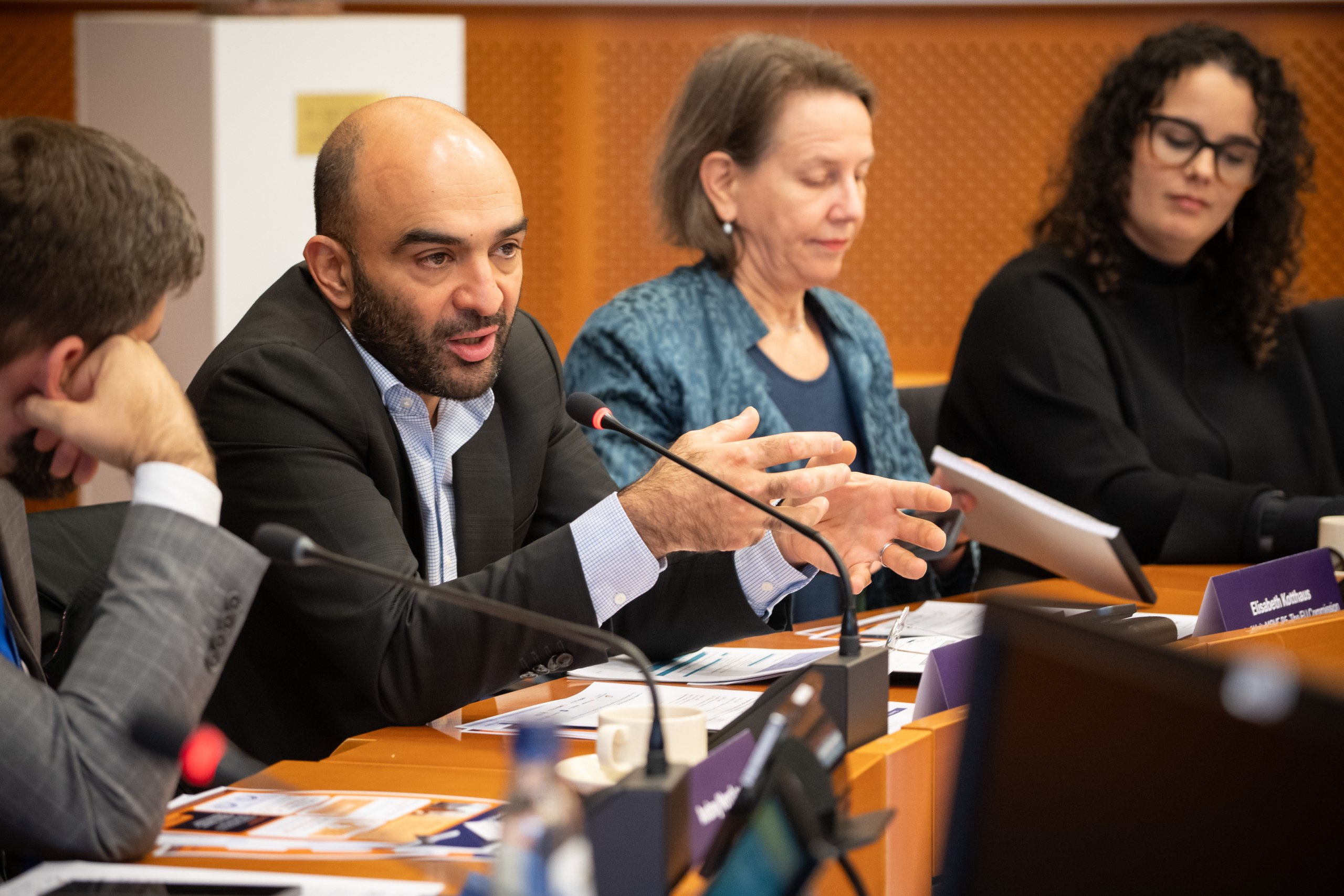
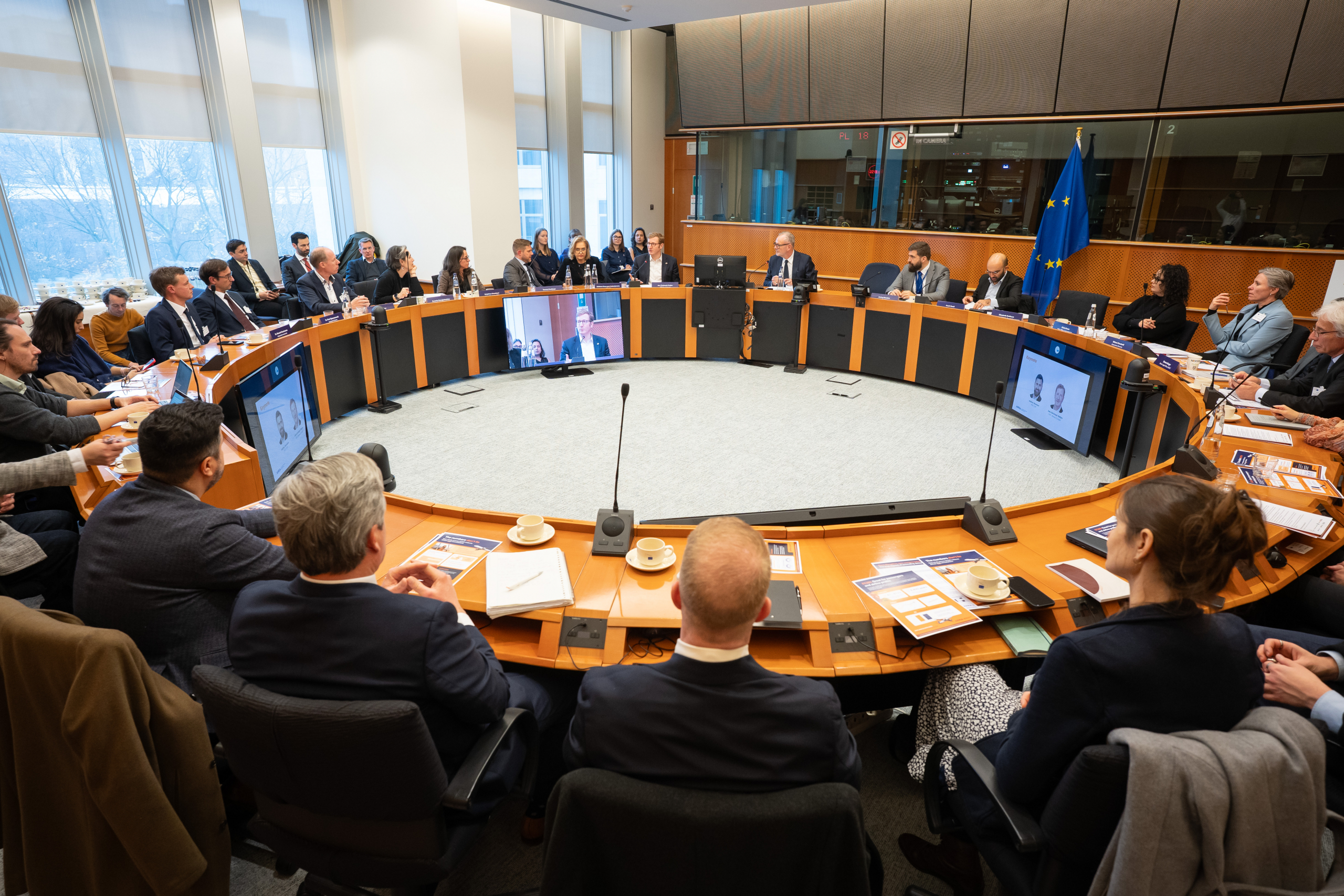
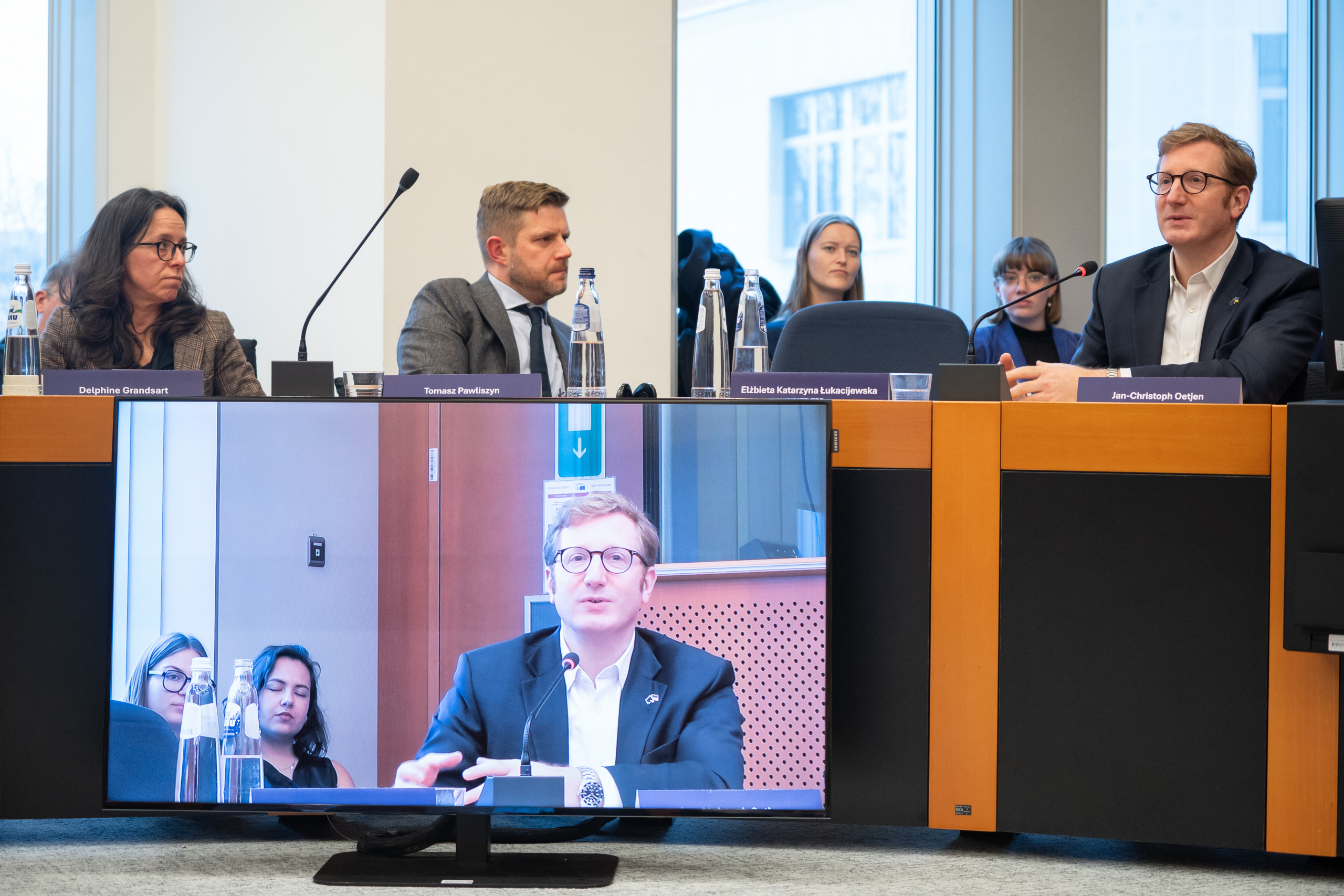
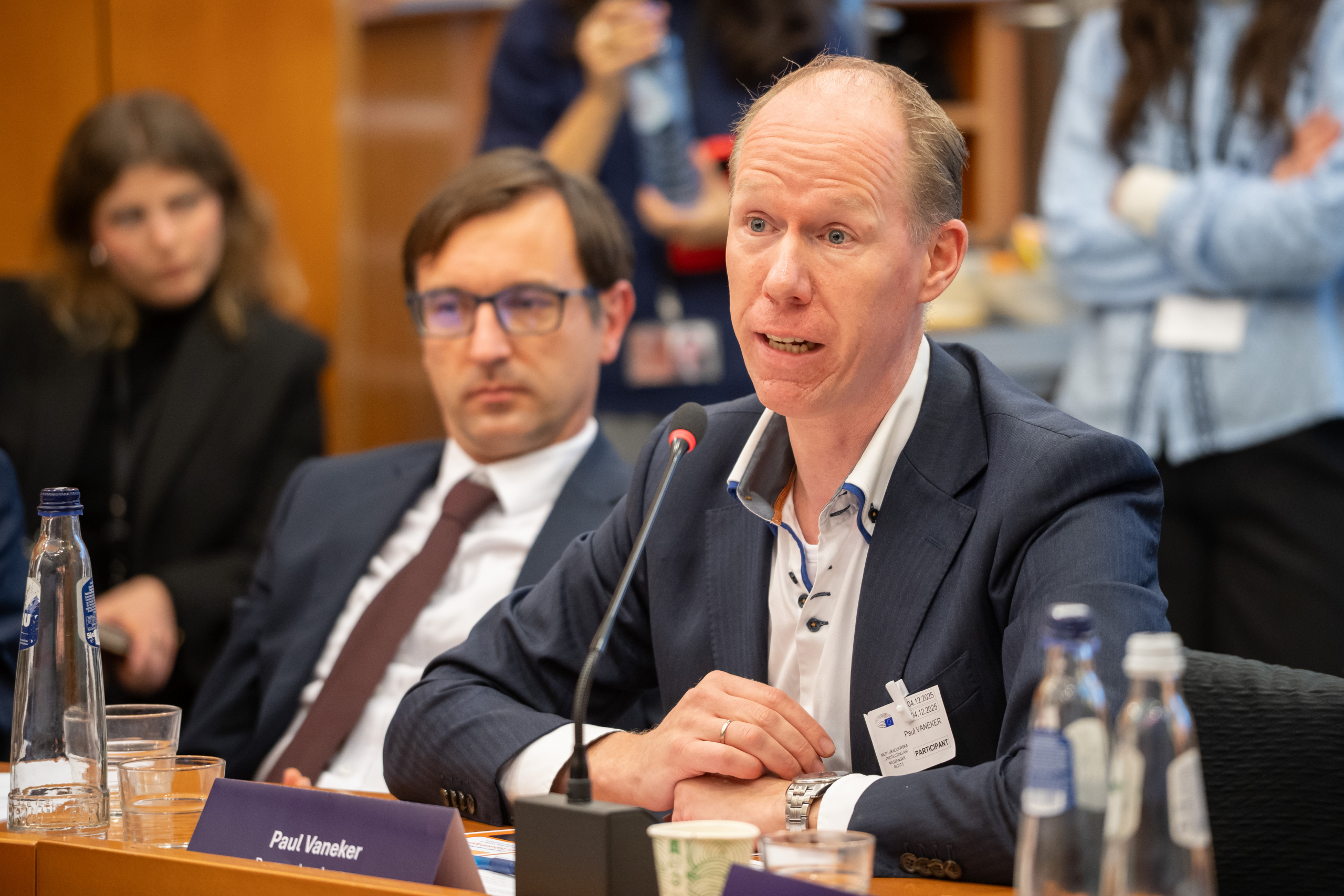
On 4. December, EPF participated in the event “Protecting Air Passenger Rights: Now More Than Ever”, organised by the Association of Passenger Rights Advocates (APRA) at the European Parliament.
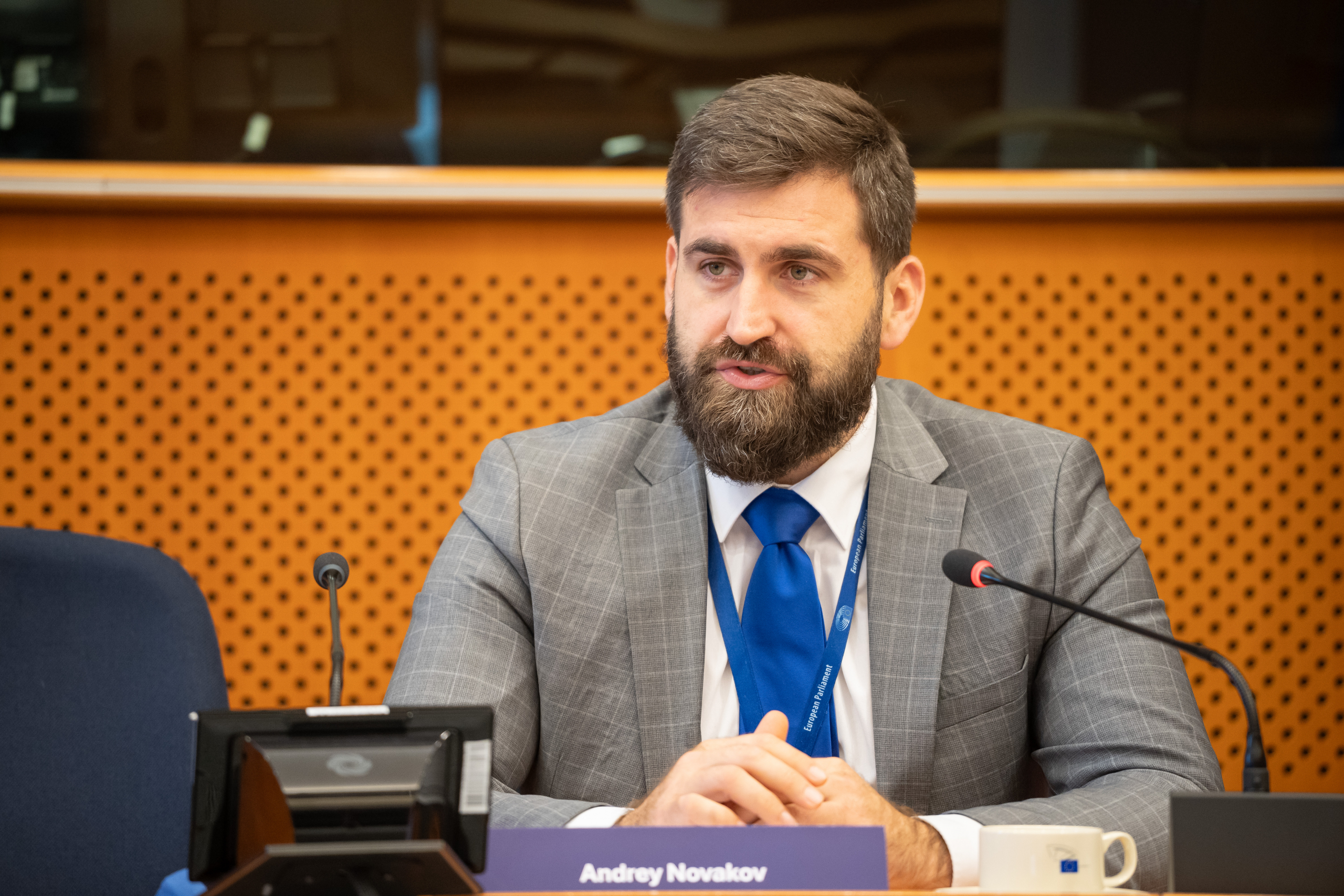
The event featured speeches from several Members of the European Parliament, including rapporteur Andrej Novakov. All five MEPs present expressed their strong support for maintaining the “red lines” agreed within the TRAN Committee in October, notably the three-hour delay threshold for compensation. The discussion also brought together representatives from consumer organisations (BEUC and Euroconsumers) and included a round of interventions from key stakeholders: Ourania Georgoutsakou (Airlines for Europe – A4E), Tomasz Pawliszyn (APRA), Winni Grosbøll (Danish Consumer Council), Delphine Grandsart (EPF), and Elisabeth Kotthaus (DG MOVE). Several compelling studies were presented, reinforcing the case for a passenger-centred revision of Regulation (EC) No 261/2004.
Evidence Supporting a Passenger-Focused Revision of EC261
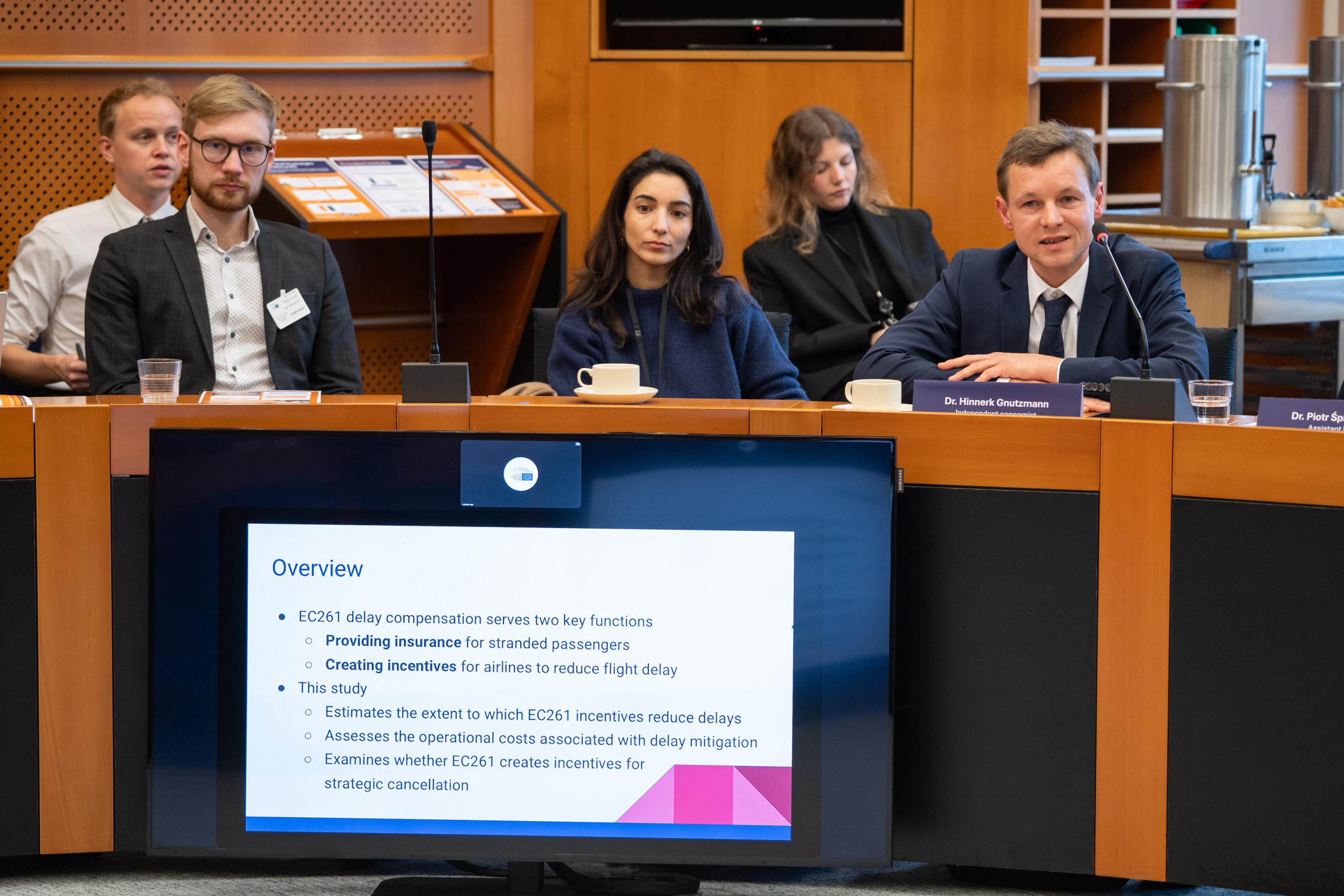
A recent study entitled “Air Passenger Rights at the Crossroads” clearly demonstrates that EC261 works – both in improving airline reliability and protecting passengers:
🔒 Compensation functions as an effective insurance mechanism for travellers.
📉 EC261 contributes to 70% fewer long delays compared to the United States.
💶 The actual cost of compensation is approximately €1,73 per passenger: far below claims of 4-5€ or more.
❌ EC261 does not increase cancellations; same-day cancellations are 20% less likely than in the US.
In addition, independent flight data from Lennoc B.V. provided strong evidence of the negative impact that weakening passenger rights would have (see report available online here). According to the data, raising the compensation threshold from 3 hours to four or six hours would result in up to 60% of passengers losing their current compensation rights. Such a change would represent a significant step backwards for passenger protection.
Key Messages
During her intervention, Delphine Grandsart highlighted the following key points on behalf of EPF:
➡️ Passengers, as the weaker party to the transport contract, need to be adequately protected when things go wrong. Strong consumer protection is a core EU value, and lowering existing standards – such as by increasing the compensation threshold – is not an option.
➡️ We should not forget that many trips made by air are time critical – a significant delay can negate the purpose of the trip (e.g., a business meeting), seriously inconvenience passengers (e.g., missing onward connections or accommodation bookings), and lead passengers to incur additional costs that are often much higher than the legal compensation.
➡️ Rather than weakening rights, EPF supports strengthening their implementation and (both public and private) enforcement, including – but not limited to – maintaining the three-hour threshold for compensation & upholding the right to carry a reasonably sized piece of hand luggage.
➡️ EPF also calls for addressing legal grey areas and inconsistencies, in line with Court of Justice of the European Union (CJEU) rulings – such as clarifying “extraordinary circumstances” and defining re-routing “at the earliest opportunity”, passenger rights in case of connecting flights or tarmac delays, and more.
 Stay informed!